



The state should devise a meaningfully competitive framework for HDIP awards based on factors including affordability and the municipal affordable housing track record. It should prioritize weak market and distressed areas along with a range of bedroom sizes and benefits to local residents.
Housing
Posted inHousing
Milton makes interesting case on MBTA Communities Act

“This is a case about the separation of powers and the rule of law—about who sets the rules that govern the Commonwealth and how they do so,” says the Milton brief.

Posted inHousing
AG issues ‘friendly’ warning on MBTA rezoning

“A few reminders from your friendly Attorney General: 1) The MBTA Communities law is a critical tool in solving our state’s housing crisis. 2) Compliance with our laws isn’t optional. 3) The majority of communities are taking steps to come into compliance.”

Posted inHousing
Lobbying intensifies on BlueHub mortgage amendment
A four-year court battle over the shared appreciation mortgages is coming to a head this September, but BlueHub isn’t waiting for a court judgment.

Posted inOpinion
Renaissance taking place in downtown Brockton

Anyone who has been to the “City of Champions” recently has seen an incredible re-imagining of our downtown focused on long-term sustainability and economic growth.

Posted inOpinion
Don’t penalize people for being poor and lacking housing

The US Supreme Court ruled that a community may ban people from sleeping outside even when there is no adequate shelter or housing available. People may be fined or arrested for sleeping in a tent, on a bench, or even in their own cars.

Posted inHousing
Senate unveils housing plan with no real estate transfer tax

The bill, based on legislation Gov. Maura Healey filed in October, would prompt the creation of 40,000 housing units, according to Senate Housing Committee Chair Lydia Edwards, chipping away at the 220,000-unit shortage Massachusetts is expected to experience by the end of the decade.
Posted inGovernment
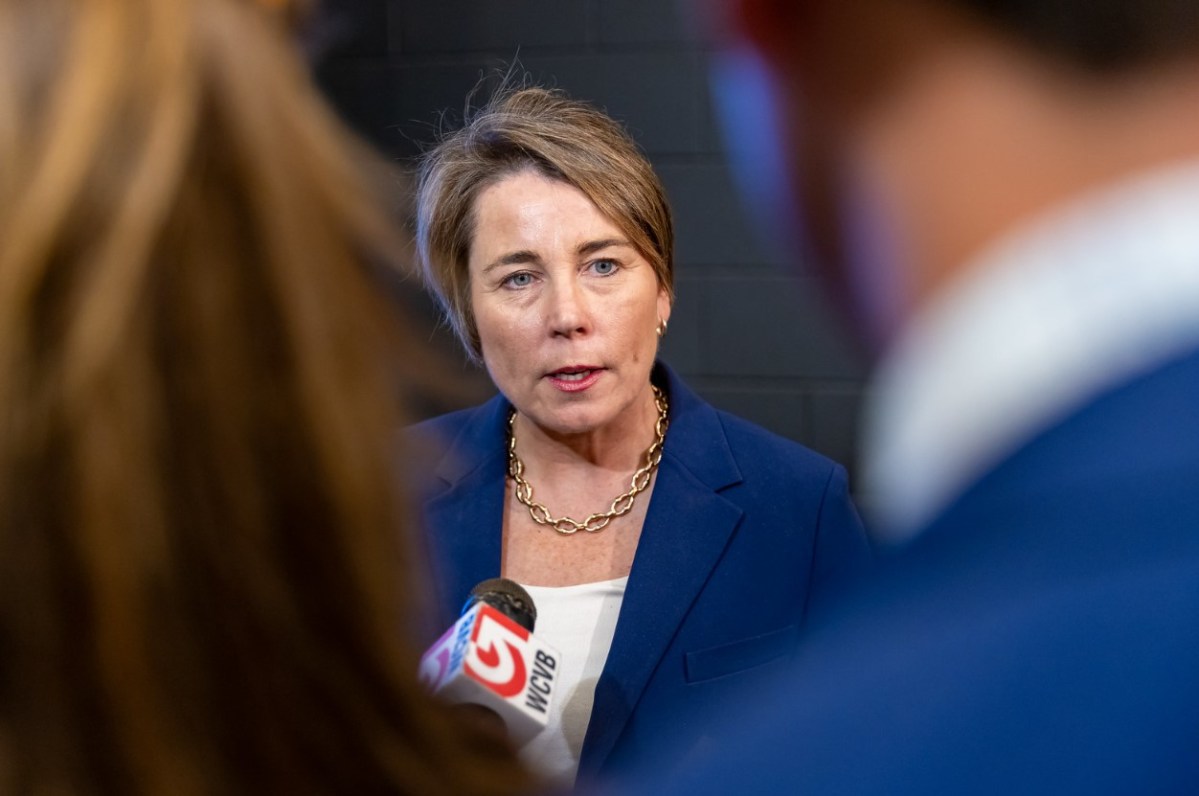
Healey’s capital spending plan puts bond bills in perspective

The state’s plan for actual capital spending dedicates $2 billion for housing over the next five years, and $400 million in fiscal 2025, which is a 30 percent increase over fiscal 2024.

Posted inState Government
Much ado about the multibillion dollar housing bond bill

Major bond bills set the widest parameters for possible spending. But there’s little to no chance that $6 billion in bonding power actually gets pointed at the housing crisis.

Posted inHousing
House Democrats outline $6.2 billion housing plan

With sky-high sale prices and rents suffocating residents, the House will try to shift the tide by pumping more money into existing housing programs and rolling out a few new strategies.

Posted inHousing
Taking aim at barriers for underrepresented developers
Rather than waiting for underrepresented groups to become eligible for traditional housing funding sources, a new fund is “just doing away with this chicken and egg thing.”

Posted inOpinion
Here’s the biggest challenge facing Nantucket, Martha’s Vineyard law enforcement


On Nantucket, the average price of a home is nearing $4 million. Visitors will spend $20,000 or more a week to rent a house – making a year-round rental for a police officer virtually impossible.

Posted inOpinion
How to move beyond local resistance to more housing

Currently, private development is tasked with assessing the impact of their proposals. If this became a state-driven cost benefit analysis, we could standardize impact and support towns that lack resources and help residents to understand pros and cons associated with development.
Posted inOpinion
As mayors, we need more tools to boost housing production


We urge the Legislature to act quickly to pass the Affordable Homes Act, in its entirety, this session, and to give local leaders the tools we need to support our current and future residents.
Posted inHousing
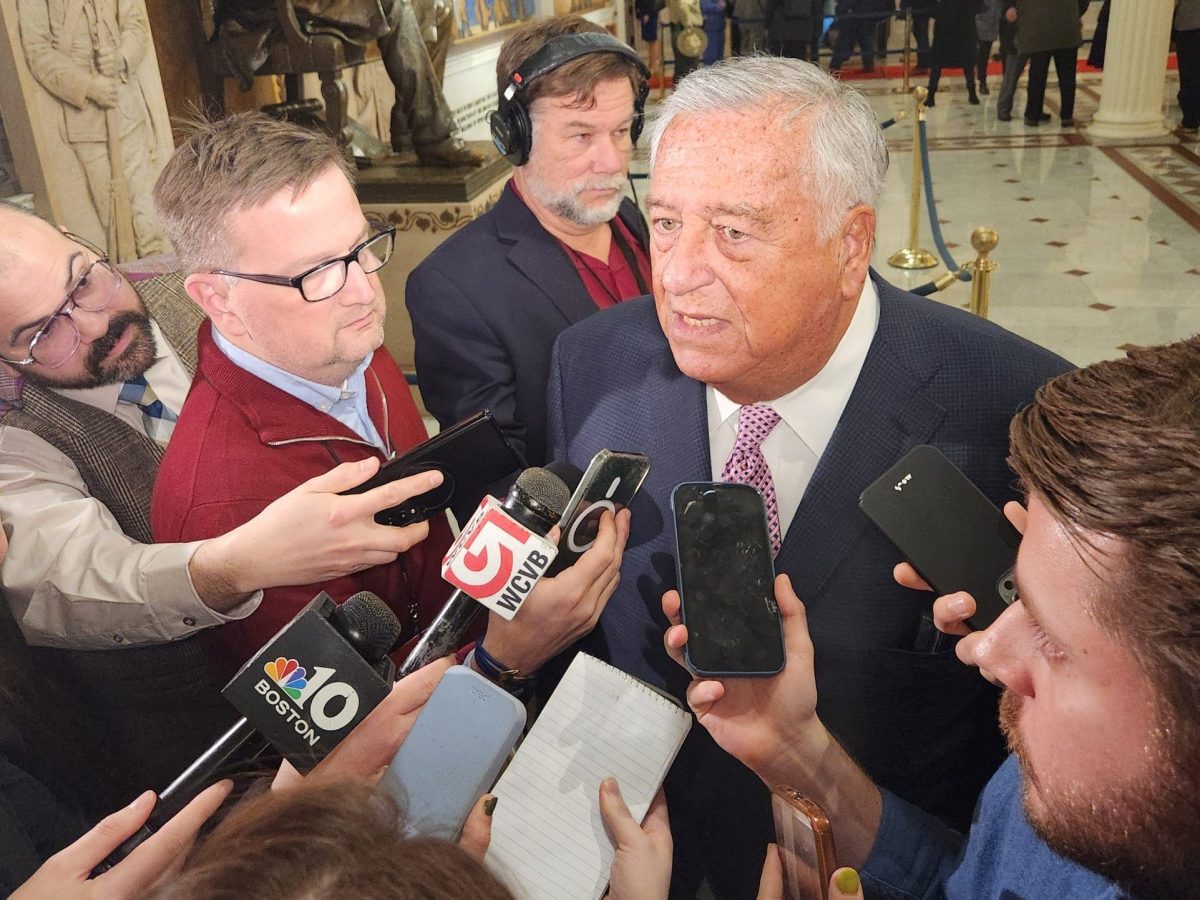
Mariano having doubts about local option transfer tax
The controversial policy idea may be what is holding up the House in taking up Gov. Maura Healey’s $4.1 billion housing bond bill, which she filed last October and has said is critical to addressing the shortage of affordable and available homes in Massachusetts.
Posted inOpinion
Housing challenge brings with it an energy challenge


Left unaddressed, the cost and availability of energy are poised to become deciding factors on when, where, and how fast new housing developments are built.
Posted inHousing
Milton asking state to restore its grant funding
The Milton Select Board voted 3-2 Tuesday night to send letters to Gov. Maura Healey and other officials asking them to reverse course and restore state grants that were cut off because of the municipality’s noncompliance.

Posted inOpinion
Unitarians turn empty office space into shelter

With all the public and private resources invested in office space and commercial development in the past generation, yet high vacancy rates forecasted for the foreseeable future, surely there can be more creative uses for spaces like ours to meet this moment.
Posted inBy The Numbers
Mass. residents conflicted on MBTA Communities Act
The poll seems to show a version of “NIMBY” thinking among residents, with most people supporting the broad goal of creating more housing, but a significant number of responders wary of having that housing forced on individual communities.
Posted inHousing
MBTA Communities panel splits over state vs. local control

“I think of the folks who were in the Mass. Legislature more than 100 years ago, who said we’re going to go out and we’re going to create the Quabbin Reservoir and flood four towns, and make sure that we had enough water for the Boston metro area,” he said. “That was a hard decision… They made a decision about what they thought was best for the Commonwealth. And so did we.”
Posted inOpinion
Housing legislation could save Cape Cod

The housing crisis ln the Cape is a threat not only to our families, but to our workforce, our seasonal economy, and our way of life.
Posted inHousing
Political Notebook: MBTA panel clash | A fare deal | Call him Charlie
Tension over the MBTA Communities Law was on display Wednesday night at a CommonWealth Beacon panel in Quincy as a state legislator who voted for the law – and feels it did not go far enough – clashed with a city council president who expressed reservations with the top-down nature of the state telling cities and towns what to do.
Posted inCourts
Full SJC to hear Milton rezoning case
Justice Serge Georges Jr. said the case against Milton, which centers around how to enforce the MBTA Communities Act, “raises novel questions of law which are of public importance and which are time sensitive and likely to recur.”

Posted inCourts
On zoning law, Campbell seeks legal shot across the bow
Campbell wants to skip a trial in Superior Court and go straight to the SJC in May in an effort to establish clearly that Milton and other communities in the state are subject to the law and her office has the authority to enforce compliance.
